



Two prominent types of AI — generative AI and predictive AI — are helping businesses achieve distinct goals, each leveraging advanced algorithms in unique ways. Generative AI creates entirely new content or ideas by learning from existing data, while predictive AI analyzes historical data to forecast future outcomes.
Understanding the differences between these two AI approaches is crucial for businesses aiming to stay ahead in their respective markets. This article explores the key distinctions between generative and predictive AI, focusing on their applications and how they can drive growth in various industries.
What Is Generative AI?
Generative AI refers to artificial intelligence models that generate new, original content, such as images, text, audio, and even video, by learning patterns from existing datasets. It doesn’t just analyze or categorize data but creates something entirely novel based on its learning.
For example, generative AI models can create realistic images of people who don't exist or write unique, coherent pieces of text based on prompts provided by a user. Popular examples of generative AI tools include Gemini for Google Workspace and OpenAI’s GPT models for text generation and DALL·E for image generation.
In business, generative AI finds widespread application across a variety of industries. In marketing, it can generate personalized content for targeted ads or social media posts. In entertainment, it aids in the creation of scripts, music, and even game designs. Healthcare uses generative AI to help design drug molecules, speeding up research and development efforts.
The benefits of generative AI are clear: it offers unparalleled creativity, enhances customization, and supports complex problem-solving in situations where traditional methods fall short. By automating content creation and brainstorming new possibilities, generative AI helps businesses stay innovative and responsive to consumer needs.
What Is Predictive AI?
In contrast, predictive AI is built to analyze past and current data to predict future events or trends. It works by identifying patterns in historical data and using those patterns to make forecasts about what will happen next.
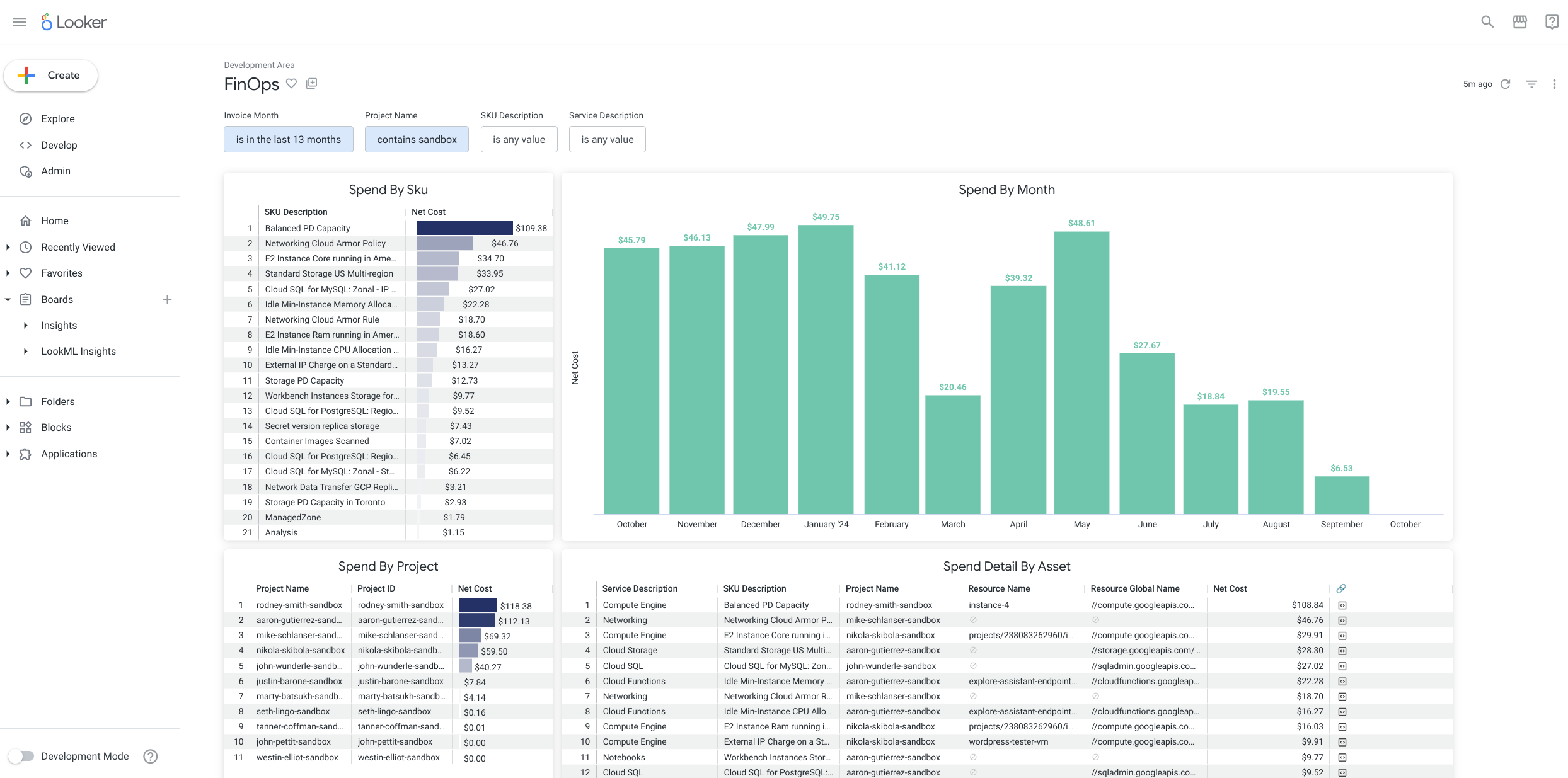
For example, predictive AI can help businesses predict customer behavior, such as which products a customer is likely to buy next based on past purchases. It can also be used for demand forecasting in supply chain management, helping companies anticipate product shortages or surpluses. Other uses include detecting fraudulent transactions in banking or predicting equipment failures in manufacturing.
Predictive AI is a powerful tool for businesses that need to make data-driven decisions quickly. Its core benefits lie in enabling strategic decision-making, improving efficiency, and minimizing risks by forecasting potential outcomes.
With predictive AI, companies can proactively adjust their strategies to optimize sales, allocate resources effectively, and mitigate risks. This type of AI allows businesses to react before issues arise — whether it’s identifying a potential dip in customer demand or anticipating market changes before they occur.
Key Differences Between Generative AI & Predictive AI
At the core of the distinction between generative AI and predictive AI lies their fundamental purpose and approach. Generative AI is focused on creativity, producing new, original content or solutions, while predictive AI revolves around data analysis to forecast future outcomes based on patterns observed in historical data.
Generative AI creates new content based on data, whereas predictive AI processes data to forecast trends and patterns. For instance, generative AI might generate new marketing materials based on prompt engineering, while predictive AI could analyze past customer behavior to predict future buying patterns.
This difference also impacts how each AI type interacts with business operations. Generative AI fosters proactive innovation by helping businesses explore new possibilities and develop fresh content or solutions. In contrast, predictive AI is reactive, allowing companies to adjust strategies based on anticipated changes or trends.
While both AI types offer tremendous value, they operate with distinct goals and deliver different kinds of outcomes. The key takeaway here is that while generative AI can drive new ideas and creativity, predictive AI enhances strategic decision-making and operational foresight.
When to Use Generative AI vs. Predictive AI
Understanding when to implement generative AI versus predictive AI depends on your business goals and specific needs.
Generative AI is particularly effective when your business requires innovation or customization, such as content creation, product design, or personalized marketing campaigns. If you’re in a creative industry like entertainment or advertising, leveraging generative AI can give you an edge in content originality and personalization.
On the other hand, predictive AI is the go-to choice for businesses seeking to improve decision-making, optimize processes, and reduce risks. If you're looking to refine your sales forecasts, enhance customer relationship management, or predict market trends, predictive AI provides invaluable insights. It’s ideal for businesses focused on data-driven decision-making and improving operational efficiency, whether in supply chain management, financial services, or customer service.
In summary, both AI types have their place, but their utility hinges on your specific objectives. Generative AI fuels creativity and innovation, while predictive AI drives informed decisions and anticipatory actions. When considering which to implement, assess whether your focus is on generating new ideas or forecasting future results.
Choosing the Right AI for Your Business Needs
To successfully implement AI, businesses must first identify their needs and match them with the appropriate AI solution. Generative AI works best for companies that need to innovate, differentiate themselves, or build personalized experiences for their customers. Predictive AI is better suited for businesses focused on risk management, efficiency, and future planning.
Once your needs are clear, the next step is integrating the chosen AI solution into your existing workflows. This requires aligning your technology infrastructure, ensuring team members are trained to use AI tools effectively, and considering scalability to accommodate future growth. With the right implementation strategy, both generative and predictive AI can significantly enhance business operations, reduce costs, and drive success.
Generative AI and predictive AI are two sides of the same coin, each offering unique benefits tailored to specific business needs. Generative AI empowers creativity, innovation, and personalized experiences, while predictive AI supports data-driven decisions, proactive strategies, and risk mitigation. Understanding the distinctions and applications of these AI types is essential for any business looking to integrate AI into their operations effectively.
If your company is ready to leverage AI for growth, contact Promevo for expert advice and tailored AI solutions. Whether you’re interested in exploring generative AI for creative projects or predictive AI for strategic decision-making, our team is ready to help you maximize your business potential with cutting-edge AI technology.
FAQs: Generative AI vs Predictive AI
What is the difference between generative and predictive AI?
Generative AI can create new content like images, text, or audio, while predictive AI analyzes data to anticipate or forecast potential future events. Generative AI explores what is possible by generating novel content, while predictive AI aims to determine what is probable based on past data.
Can generative AI do predictive analytics?
Generative AI models can be used to generate synthetic data, which can then be used to train predictive models. However, generative AI on its own does not have the capability to make predictions or conduct predictive analytics. It can supplement predictive analytics by providing additional training data.
What is the difference between specialized and generative AI?
Specialized AI is designed to perform narrow, specific tasks like facial recognition or language translation while generative AI can create new content like images, text, or code based on a prompt, though often less accurately than specialized systems. Generative models aim to mimic human creativity and reasoning in an open-ended way compared to specialized AI's focus on excelling at a singular function.